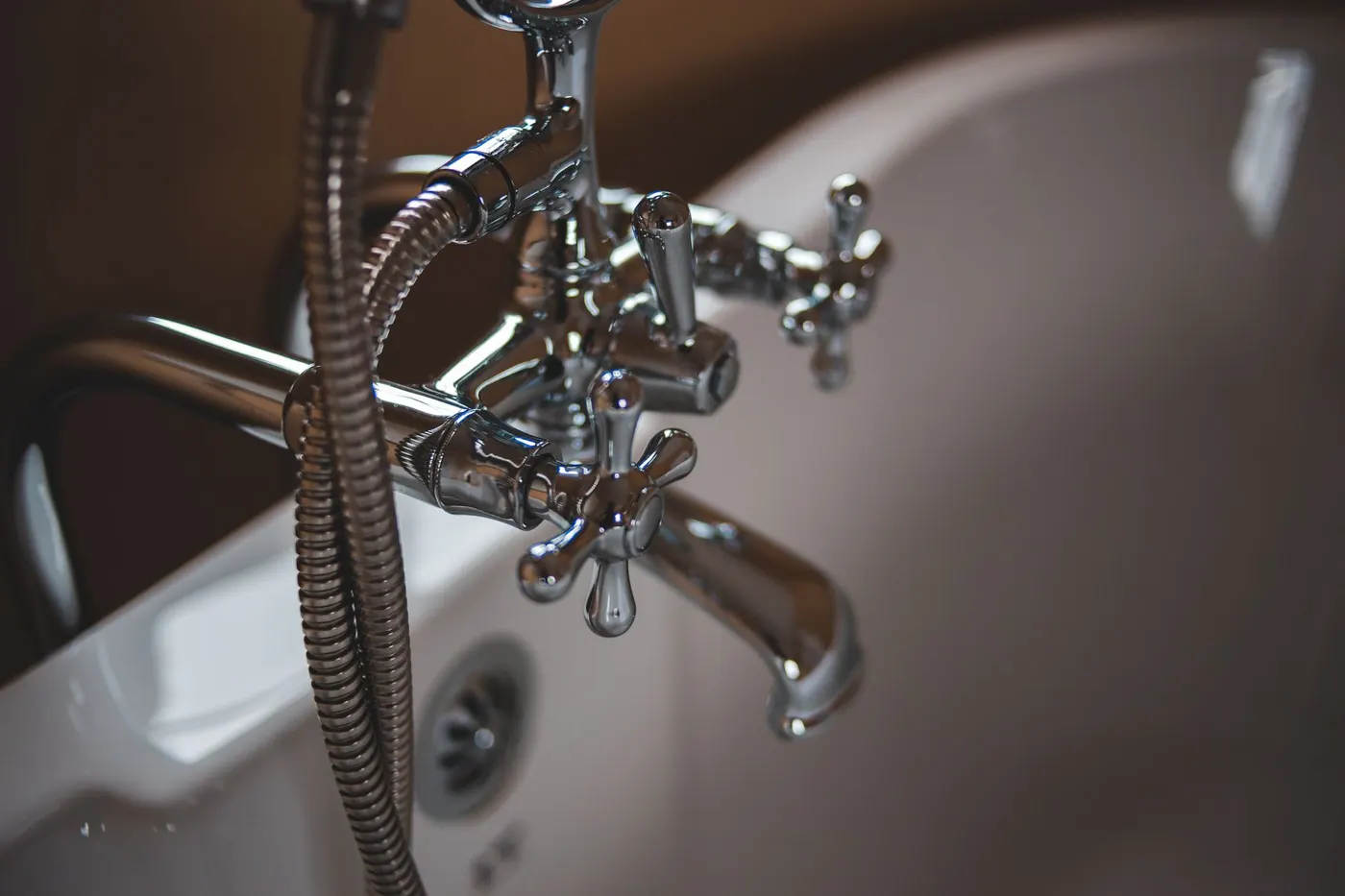
Plumbing repairs for kitchens, bathrooms and utility rooms
We trace visible plumbing leaks, repair or replace defective fittings and put unreliable fixtures back into use. The visit starts at the affected tap, toilet, valve or connection and follows the water supply or waste route far enough to identify the cause. A damp sink cupboard, for example, can need a waste seal repaired, a supply connection renewed or a leaking tap body replaced; each is a different job.
Give us your postcode and the complete job list when booking. We plan related repairs together and establish which fittings need identifying before parts can be ordered. If pictures would help, the team can request them by email after your initial enquiry. For water escaping uncontrollably, call for emergency plumbing rather than waiting for a routine visit.
- Leaking and stiff taps, replacement cartridges and complete tap changes where appropriate.
- Running or unreliable toilet cisterns and leaking pan or supply connections.
- Faulty stopcocks, local isolation valves and accessible pipe joints.
- Sink, basin and appliance water and waste connections.
Repair the component or replace the fitting
We check the condition of the fitting and identify compatible components before recommending a repair. A sound tap with an identifiable worn cartridge can often be retained. A damaged body, unavailable parts or several deteriorated components can make complete replacement the more practical option. We explain the finding and agree the fitting before changing it.
For toilets, we distinguish the flushing mechanism, inlet valve, cistern seals, pan connection and supply pipe. Concealed cisterns need usable service access; a flush plate opening does not necessarily expose every connection. Where a stopcock or isolation valve is defective, we establish how the supply can be controlled before disturbing the plumbing downstream.
Installing fittings and appliance connections
We connect replacement sinks, basins and taps, and plan suitable plumbing connections for washing machines and dishwashers. The installation covers the water supply, accessible isolation and an appropriate waste arrangement. We check the proposed product and location against the existing connections, including restricted space behind cabinets and appliances.
Before work starts, we agree who supplies the fittings, what is being removed and which surrounding surfaces need access. Moving an appliance or fixture can require new pipe routes rather than a simple connection swap. We identify any separate joinery, tiling or electrical work in the scope; larger rerouting projects can be planned through our pipework installation service.
Access and isolation in homes and managed buildings
Before attending, we need to know whether the relevant supply can be isolated and whether the work area is accessible. Do not force a seized valve to prepare for a visit. Thames Water’s guidance explains the role of the inside stop valve; if it is faulty, tell us so the repair can be planned around that limitation.
Flats may have shared supplies, locked risers or managing-agent requirements. Arrange permission and a keyholder where needed. In commercial premises, identify any other facilities affected by shutdown and agree a suitable working window. A repair that appears local can still interrupt a shared line, so isolation should not be guessed.
Agreeing the repair, parts and finish
The agreed work should distinguish investigation, repair and any replacement fittings. Explain whether you want an existing fixture retained or are open to alternatives, and make any finish requirements clear. A visible match alone is not enough to establish compatibility with a particular tap, valve or cistern.
The time and scope depend on access, the condition of existing connections and the parts required. If removing an old fitting reveals damaged pipework or a concealed problem, we discuss the change before extending the job. Include making good and waste removal in the conversation so you know what is covered and what needs another arrangement.
What to check before the job is handed back
We check the repaired fitting in use, including shut-off and the supply or waste connections disturbed by the work. At handover, we explain what was changed, show the relevant normal isolation control and identify any outstanding part or follow-up. A repaired tap, cistern or appliance connection is returned with a clear explanation of what can be used and what still needs attention.
For a planned visit, send your postcode, a concise job list and any fitting details you already have. Grouping related tasks can help us understand the complete scope, although it does not guarantee completion in one visit. Loyal Plumbers has 10 active vans and operates 24/7 across London and the M25, supporting both routine bookings and urgent plumbing needs.
Common questions
Can I provide my own tap or toilet parts?
Tell us before booking and share the product details. Compatibility, condition and missing components need checking. Agree responsibility for the supplied item and what happens if it cannot be fitted.
Can several plumbing jobs be done in one visit?
They can be considered together. Send the full list so time, parts and isolation can be planned. Some faults only become clear after inspection, so a single-visit result cannot be guaranteed.
Is a general plumber the right person for a gas boiler fault?
Gas appliance work requires an appropriately qualified Gas Safe registered engineer. Describe the appliance and fault when enquiring so the required competence can be checked; ordinary water plumbing and gas work are distinct.
Sources and further reading
Useful guides for this service
Explore all bathrooms, kitchens and pipework guides →Need help with this in London?
Emergency repairs, investigations and planned installations across London and inside the M25. Tell us what you need so we can agree the next step.
Discuss your job